
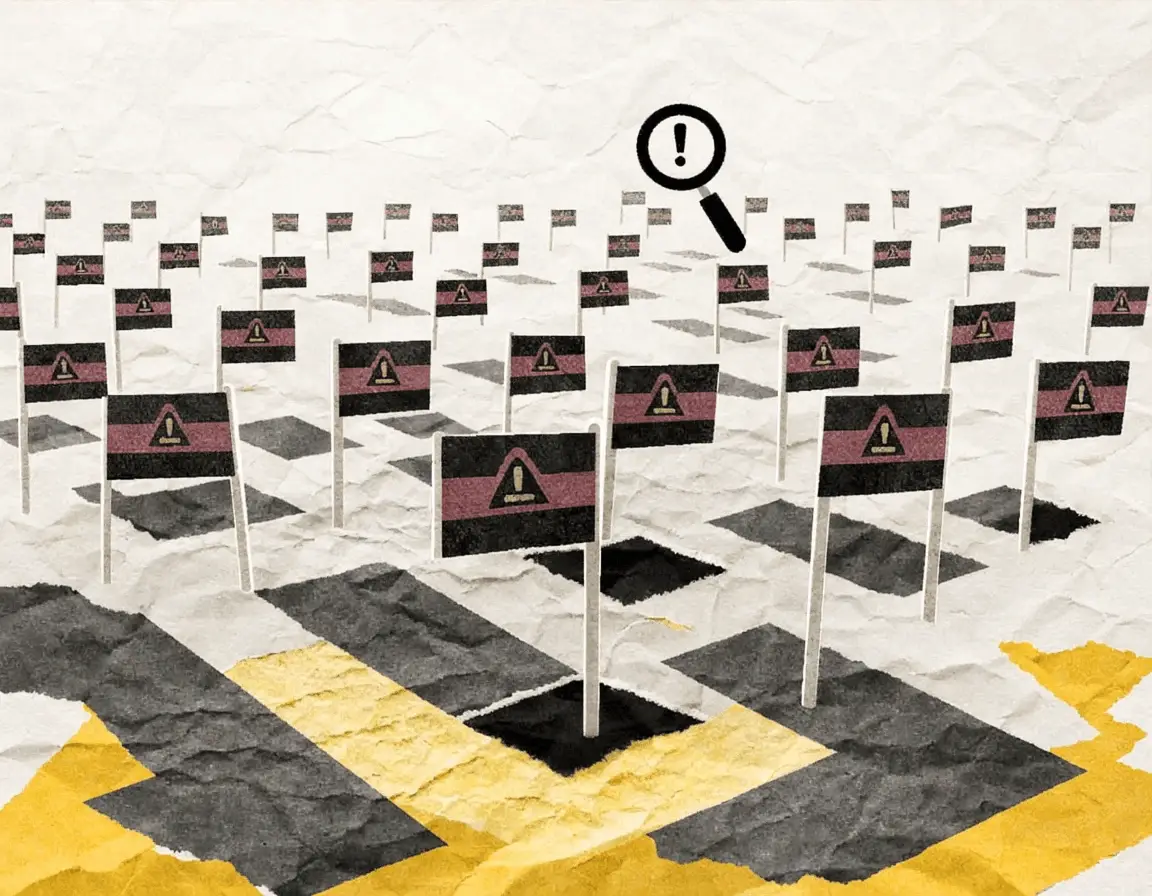

For years, marketers have avoided a long, informal list of “spam trigger” words in subject lines, on the theory that certain phrases get emails buried in spam folders or blocklisted outright. Flodesk’s 2026 Email Marketing Trends Report tested more than 70 of these commonly blamed phrases against real open-rate data and found only seven actually correlated with lower opens: Work from home, Make money, Limited time, Guaranteed, Hurry, Don’t miss out, and Act now. Each of those seven cut open rates by 5 to 20 points — everything else on the list turned out to be folklore.
Email Marketing Trends Report 2026, Flodesk, August 2026 · n = 14,331,287,547 email deliveries across 3,063,187 campaigns
What it means
Each of the seven real offenders shares a trait: they read as spammy, phishing-adjacent, or urgency-driven language that both spam filters and human readers have learned to distrust. “Guaranteed” and “Act now” signal a low-trust pitch before the reader even opens the email, exactly the kind of copy filters were built to catch.
The other 60-plus phrases tested, many of them long-standing entries on “words that hurt your open rate” lists that circulate across marketing blogs, showed no meaningful effect on opens at Flodesk’s platform scale. That includes plenty of words marketers still routinely swap out of subject lines out of habit.
The practical shift is that the actual risk list is short and specific: seven phrases, not the sprawling list that quietly narrows what a small business feels safe saying in a subject line.
Why it matters for B2B marketers
Pull “Limited time,” “Hurry,” “Don’t miss out,” “Act now,” “Guaranteed,” “Make money,” and “Work from home” out of your subject line rotation. Those seven are the ones actually costing opens. Beyond that list, stop self-editing copy based on someone else’s unverified spam-word list, and write the subject line that says what the email actually is.